
opyngpt “In the context of a commercial kitchen, outline the steps in packaging food into containers for storage, and then storing those items as inventory to be delivered to individual restaurants.”Packaging and storing food in a commercial kitchen involves several critical steps to ensure the safety, quality, and efficiency of the process. Here’s a general outline of the steps involved:
1. Preparation
Before packaging, the food must be prepared according to the restaurant’s recipes and standards. This includes cooking, cooling, and portioning the food.
2. Cleaning and Sanitizing Containers
- Clean: All containers used for packaging should be thoroughly cleaned to remove any residue from previous use.
- Sanitize: After cleaning, sanitize the containers to kill any bacteria or pathogens that might be present.
3. Packaging Food
- Portion Control: Ensure each container is filled with the correct amount of food as per the recipe requirements.
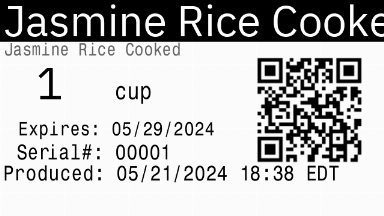
- Labeling: Each container should be clearly labeled with the type of food, date of preparation, and any other relevant information such as allergens or special instructions.
- Sealing: Seal the containers properly to maintain freshness and prevent contamination.
4. Inventory Management
- Inventory Count: Before packaging begins, conduct an inventory count to know what needs to be packaged and stored.
- Tracking: Use a system (manual or digital) to track what has been packaged and stored. This helps in managing stock levels and ensuring nothing is lost or misplaced.
- Storage: Store the packaged food in a designated area following proper temperature control measures to maintain its quality until delivery.
5. Delivery Preparation
- Organization: Organize the containers for easy loading onto delivery vehicles. This could involve grouping them by destination restaurant or type of food.
- Temperature Control: Ensure that all food items are kept at the appropriate temperature during transport to maintain their quality and safety.
6. Delivery
- Route Planning: Plan the delivery route efficiently to minimize travel time and ensure timely delivery.
- Delivery Documentation: Prepare and attach delivery documents to each shipment, including details like recipient address, type of food, and any specific delivery instructions.
7. Post-Delivery Follow-Up
- Feedback: Collect feedback from the receiving restaurants about the condition and quality of the delivered food.
- Replenishment: Based on the feedback and inventory levels, plan for replenishing stocks accordingly.
8. Continuous Improvement
- Review Process: Regularly review the packaging and delivery processes to identify areas for improvement.
- Training: Provide training to staff on best practices for packaging, storage, and delivery to ensure consistency and quality.
This outline provides a comprehensive approach to packaging and storing food in a commercial kitchen before delivering it to individual restaurants. It emphasizes the importance of cleanliness, organization, and adherence to food safety regulations throughout the entire process.

Leave a Reply